
Wellness & Burnout
Back Pain in Nurses: Prevention, Body Mechanics, and When to Get Help
Protect your back with safe patient handling, realistic bedside ergonomics, strength and recovery habits, and a clear plan for symptoms or workplace injuries.
Protect your wellbeing with nurse-focused guides on burnout prevention, self-care, night-shift survival, compassion fatigue, and sustainable mental health strategies.
Protect your back with safe patient handling, realistic bedside ergonomics, strength and recovery habits, and a clear plan for symptoms or workplace injuries.

Learn how to recognize nurse bullying, respond with clear cognitive rehearsal scripts, protect patient safety, document patterns objectively, and escalate concerns through the right channels.

Understand why new nurses feel like imposters, how to separate normal learning from unsafe gaps, and which evidence-based strategies build grounded confidence.

Build a safer night-shift routine with evidence-based strategies for daytime sleep, schedule transitions, caffeine, meals, alertness, and the drive home.
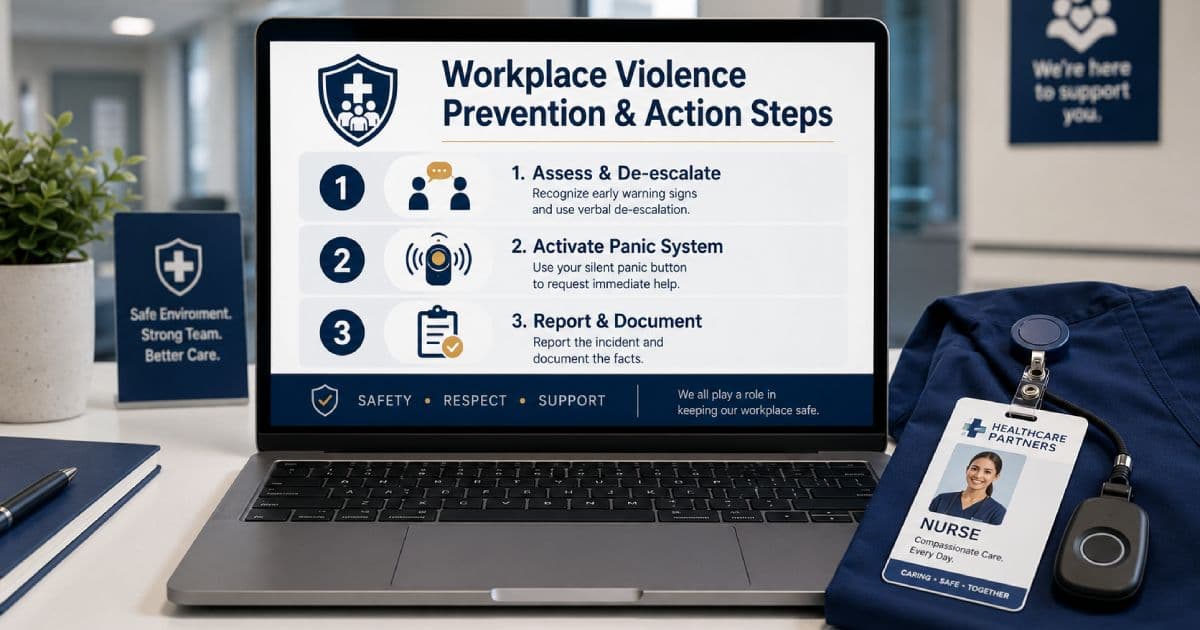
Workplace violence in nursing is not part of the job. Learn warning signs, de-escalation basics, reporting steps, post-incident support, and how nurses can advocate for safer workplaces.

Learn what moral distress in nursing looks like, common examples, warning signs, what nurses can do in the moment, and how units can prevent repeated ethical harm.

Learn the signs of compassion fatigue in nursing, how it differs from burnout and secondary traumatic stress, and what nurses can do to recover, prevent relapse, and ask for support.

Recognize nurse burnout early, understand the difference between burnout, compassion fatigue, and depression, and use 10 practical strategies to prevent burnout or begin recovery.

Night shift nursing is hard on sleep, energy, mood, meals, and commute safety. Use these evidence-informed strategies for daytime sleep, caffeine timing, light exposure, meals, naps, and recovery.

Use calm scripts, L.E.A.F., SBAR, CUS, boundaries, documentation, and escalation steps to handle angry patients, demanding families, refusal, privacy conflicts, and unsafe behavior.

Time management for nurses is not about rushing. Learn 11 shift-tested strategies for prioritization, clustering care, delegation, charting, interruptions, admissions, breaks, and safer handoffs.

Self-care for nurses is not selfish. Learn practical shift, after-shift, and day-off strategies for stress, burnout, compassion fatigue, and recovery, plus when to seek more support.